Does PIP Cover Chiropractic Care in Florida? Your Coverage Explained
Florida’s no fault system can feel like alphabet soup right when you least need it. You are stiff, your car is at the body shop, and now your adjuster mentions PIP, EMC, and a 14 day rule. If your neck or back started aching after a rear end collision on I 95 or Atlantic Boulevard, you are probably wondering whether you can see a chiropractor and have it covered. The short answer is yes, Personal Injury Protection, or PIP, can cover chiropractic care in Florida. The longer answer is where the important details live, including who can diagnose your full benefit level, how the 14 day rule works, and what to expect if symptoms show up late.
I have helped many Jacksonville patients and families navigate this exact puzzle. Their questions are practical, not legalese. Do I need a chiropractor after a minor car accident? How long after a car accident can neck pain start? Can a chiropractor help after a rear end collision? Let’s walk through the rules, then the real world side of healing and getting your care paid for.
A quick primer on Florida PIP after a crash
Florida requires most drivers to carry at least $10,000 in PIP. This coverage pays a portion of your medical bills and some lost wages after a crash, regardless of who caused it. The core mechanics are straightforward once you see them laid out.
Under PIP, the insurer pays 80 percent of reasonable, medically necessary medical expenses up to your policy limit. There is also a wage component that can pay 60 percent of lost income, and a small death benefit. Many policies have a deductible. The state defines who can provide initial treatment that qualifies under PIP, and what services are covered.
Two rules tend to catch people by surprise. First, you must seek initial medical care within 14 days of the accident for PIP to apply to your injury claims. Second, whether you can access the full $10,000 in medical benefits often hinges on whether your injuries are certified as an Emergency Medical Condition, or EMC, by specific types of providers.
An EMC does not mean you needed an ambulance. It means, under the statute, that your condition manifests acute symptoms of sufficient severity that without immediate attention, you could reasonably expect serious jeopardy to your health, serious impairment to bodily functions, or serious dysfunction of any bodily organ or part. The catch is who is allowed to make that call. Physicians (MD or DO), physician assistants, advanced practice registered nurses, and dentists can determine EMC status. Chiropractors cannot make the EMC determination for purposes of unlocking the full PIP medical limit. If there is no EMC certification, PIP medical benefits are limited to $2,500 instead of $10,000.
Chiropractic care itself is explicitly within PIP’s covered provider types when medically necessary, but certain modalities are excluded. Massage and acupuncture are not payable under PIP in Florida, even if they help. Soft tissue work provided by a chiropractor as part of the treatment plan may be covered if coded appropriately, but standalone massage therapy by a licensed massage therapist is not.
So, does PIP cover chiropractic care in Florida?
Yes, PIP can cover chiropractic auto injury chiropractor Jacksonville treatment after a car accident in Florida, including in Jacksonville. You can even use a licensed chiropractic physician as your initial provider within the 14 day window and satisfy the requirement to open a PIP claim. Many people do exactly that when their primary complaint is musculoskeletal, such as whiplash, neck stiffness, or lower back pain.
Where it gets nuanced is benefit level. If your only provider is a chiropractor, PIP can still pay for medically necessary treatment, but without an EMC certification by an MD, DO, PA, APRN, or dentist, your medical benefit is capped at $2,500. To access up to the full $10,000, you need an EMC determination by one of those providers. In practice, that often means a quick evaluation with an urgent care physician, primary care, or an emergency department provider soon after the crash, followed by your chiropractic care. You do not need a referral to see a chiropractor after a car accident in Florida, but you may need an EMC from the appropriate provider to expand your PIP benefits.
From an insurer’s standpoint, medical necessity and documentation drive payment. That includes a clear diagnosis, objective findings from orthopedic and neurological tests, measurable functional deficits, and a structured plan of care. Random adjustments without a diagnosis rarely pass muster. A solid chiropractic clinic will document everything in a way that lines up with PIP standards and coordinate with a medical provider if an EMC is appropriate.
The 14 day rule, and what happens if you miss it
Florida’s 14 day rule is blunt. If you do not seek initial medical care within 14 days of your car accident, PIP will generally not pay for your injury treatment, even if your pain shows up later. Initial care can be at a hospital, emergency department, urgent care, primary care, dentist, or licensed chiropractic physician, among a few others. Jacksonville residents often use a mix of urgent care and chiropractic because it is faster than the ER for musculoskeletal issues.
If you miss the 14 day deadline, you can still receive care, but PIP likely will not apply to those bills. At that point, you are usually looking at health insurance, MedPay if you purchased it, or recovery through a third party liability claim if the other driver was at fault. None of those options is as simple as using your PIP benefits. This is one reason I tell patients who feel “only a little sore” on day two to still get checked. Delayed whiplash symptoms are common. A quick evaluation preserves your PIP rights even if you end up only needing a couple of visits.
How much chiropractic care does PIP cover in Florida?
Think of PIP like a bucket. Your available medical benefits are either $2,500 without EMC or up to $10,000 with EMC. Your bills go into that bucket and PIP generally pays 80 percent of reasonable charges from it. The remaining 20 percent is patient responsibility unless you have arrangements with the provider. If you have a PIP deductible, that gets applied first. Some clinics in Jacksonville will accept an assignment of benefits and handle billing directly with the insurer so you are not paying out of pocket as you go.
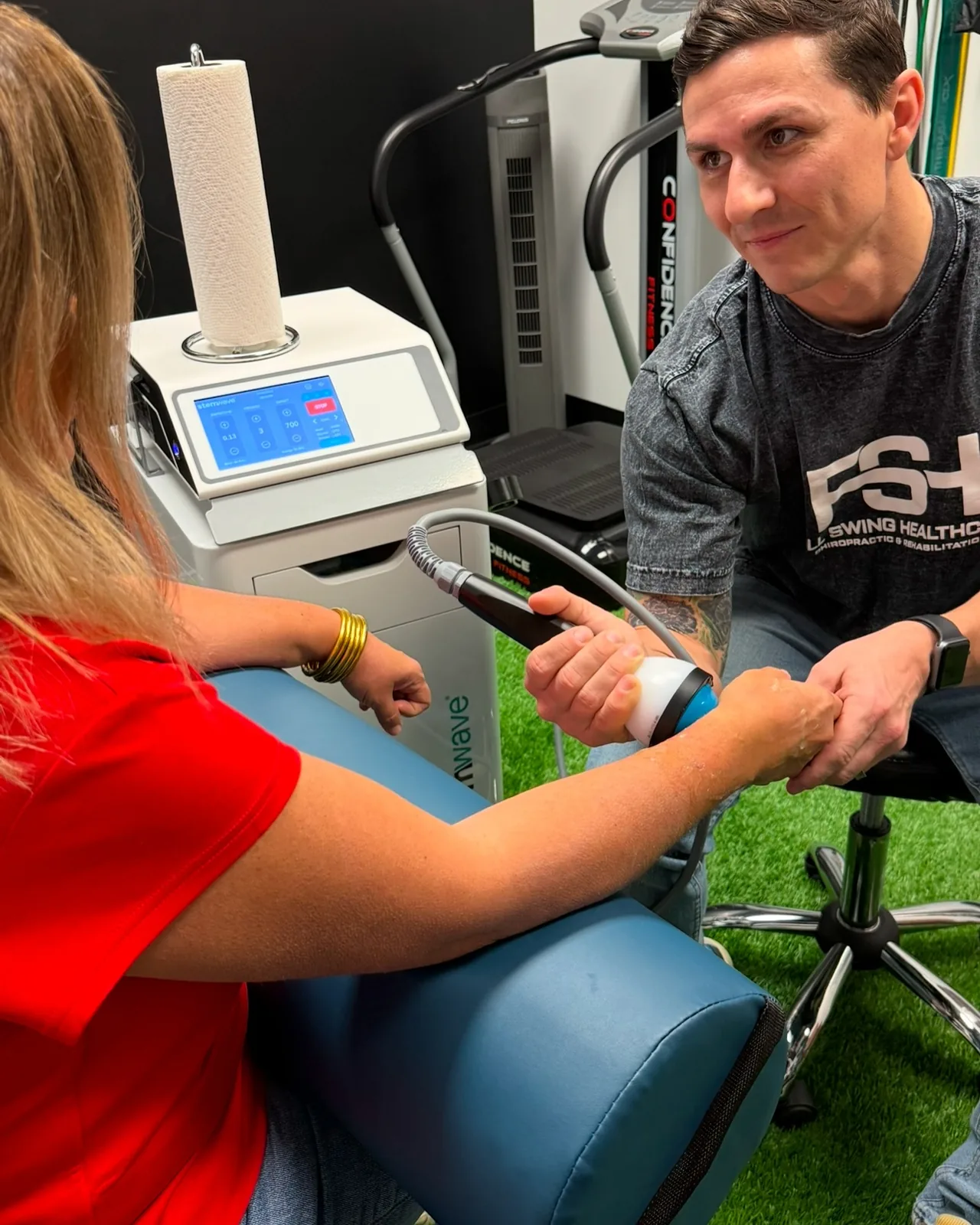
Visit costs vary. An initial chiropractic evaluation typically ranges from about $100 to $250 depending on complexity. Follow up visits often run $60 to $150. Therapeutic exercises, traction, or electrical stimulation add to the total. If you need imaging, X rays may cost a few hundred dollars. An MRI is more expensive, usually several hundred to over a thousand, and is typically ordered by a medical doctor when indicated. It is not hard to see how a moderate whiplash plan can approach $2,500 to $4,000 in a few weeks of care, especially if you need diagnostics. That is why the EMC question matters.
Importantly, PIP does not cover acupuncture or massage therapy. Insurers may also challenge certain passive modalities if they are prolonged without documented improvement. A good plan emphasizes active rehab as symptoms settle, with clear outcome measures like range of motion, strength, and validated pain or disability scales.
If your PIP benefits exhaust and you still need care, subsequent bills may shift to your health insurance if you have it, or become part of a claim against a negligent driver’s bodily injury coverage. Uninsured or underinsured motorist coverage on your own policy can also become relevant. This is where coordination between your providers and any attorney you choose really helps, so records and billing align with the path ahead.
Jacksonville specifics: where to go first and how timing affects symptoms
I hear this a lot: chiropractor sports injury chiropractor Jacksonville, FL or urgent care after a car accident in Jacksonville FL? The answer depends on your symptoms. If you have red flags like severe headache with confusion, chest pain, shortness of breath, significant weakness, numbness in both legs, loss of bladder control, or you struck your head and blacked out, go to the ER or urgent care first. They can rule out serious issues, document your EMC if appropriate, and then you can transition into chiropractic and rehab.
If your main complaints are neck stiffness, aching between the shoulder blades, lower back pain that started a day or two later, or headaches that feel like a tight band from the base of your skull, you can start with a chiropractor within the 14 day window. A careful chiropractor will screen for red flags and refer you out if needed. Many clinics have relationships with urgent cares or primary care physicians who can handle EMC determinations without sending you to a chaotic ER.
Here is a simple comparison you can use in the first 24 to 48 hours.
- Choose ER or urgent care if you have severe pain with neurological symptoms, suspected fracture, head trauma, abdominal pain, uncontrolled bleeding, or you need immediate imaging. They can also document an EMC.
- Choose a chiropractor first if your symptoms are musculoskeletal without red flags, such as whiplash, back strain, mild sciatica, or tension headaches, and you want hands on care and movement based rehab started quickly.
Delayed onset of pain is normal after crashes. Whiplash often worsens over the first 24 to 72 hours as inflammation peaks and muscles guard. That is why your neck might feel fine at the scene, then stiff and sore by day two. Lower back pain after driving is also common because prolonged sitting loads irritated discs and ligaments. Shooting pain down the leg can appear days later if a swollen joint or disc bulge presses on a nerve root. These are classic soft tissue injury patterns that chiropractic care can help. The key is early evaluation, gentle mobility work, and a clear plan that adapts as your body calms down.
What injuries can a chiropractor treat after a car accident?
Chiropractors focus on the spine and joints, but the best ones also treat the muscles and nerves around them. After a crash, that usually means whiplash of the neck, sprain strain injuries in the mid back, lower back strain or facet joint irritation, sacroiliac joint dysfunction, and sometimes sciatica from nerve root irritation. Shoulder pain can follow because the shoulders and mid back often take the brunt of the seat belt restraint in a rear end collision, and whiplash can refer pain into the shoulder girdle.
Neck problems can cause headaches, especially at the base of the skull where small joints and muscles attach. These cervicogenic headaches feel worse at the end of the day or after screen time. Tension headaches can come from sustained guarding. Migraines can also flare in people with a history of migraines, triggered by the injury and stress. A chiropractic plan can address the mechanical drivers and include posture and ergonomics to ease triggers.
If you are wondering how to tell strain from disc pain, consider the pattern. Strain tends to be localized soreness that eases with gentle movement and heat. Disc pain can shoot, burn, or tingle into an arm or leg, get worse with sitting, and feel better lying down. Neither pattern alone proves a diagnosis, so testing matters. Orthopedic maneuvers in the office can point the way, and imaging is reserved for red flags or persistent nerve symptoms. Many back strains resolve in two to six weeks with active care. Disc related symptoms can take longer, often six to twelve weeks, but still improve with the right mix of decompression, nerve glide exercises, and graded activity.
Why symptoms can get worse a few days after the crash
Several forces intersect after a collision. First, adrenaline masks pain. Second, inflammatory chemicals accumulate in damaged tissues over 24 to 72 hours, which increases soreness and stiffness. Third, your body guards. Muscles tighten to protect joints, which feels like a vise on your neck or lower back. Fourth, your routine shifts. You sleep awkwardly, sit more while dealing with car repairs, and skip your normal workouts. Together, those factors make delayed whiplash symptoms, shoulder pain, and lower back pain after a crash not just possible, but common.
For most people, early, gentle motion is medicine. Short walks, mid back mobility drills, and careful neck range of motion exercises reduce swelling and keep joints from getting sticky. Well timed chiropractic adjustments restore segmental motion, and soft tissue work quiets trigger points when used judiciously. The goal is to move enough to heal, not so much that you flare. If you overdo it, you learn quickly because whiplash often punishes big swings. That is why a structured plan helps.
What to expect at a chiropractor after a car accident
A first visit should feel thorough. Expect a detailed history that covers the crash mechanics, your symptoms, previous spine issues, and daily demands at work and home. The exam usually includes posture and gait assessment, range of motion, palpation of tender joints and muscles, and neurological testing of reflexes, strength, and sensation. Orthopedic tests can help distinguish joint irritation from disc involvement or nerve entrapment. If there are red flags, you will be referred out. If not, a chiropractor will outline a plan: frequency of visits, goals in phases, and when to expect re evaluation.
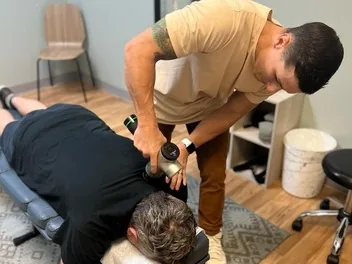
Treatment on day one is typically conservative. Many providers use a combination of chiropractic adjustments prenatal chiropractor Jacksonville or mobilization, instrument assisted techniques, brief soft tissue therapy, and simple exercises to restore mobility. Heat, ice, or electrical stimulation may be used to calm acute pain. As the days progress, you should see more active rehab: scapular work to support the neck, thoracic extension drills to combat desk posture, hip and core work to unload the lower back. Providers vary, but the common thread is that your plan shifts from passive to active as you improve. Expect some post treatment soreness early on. It should feel like you did a new workout, not like your pain got unhinged.
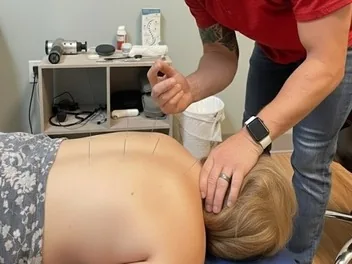
One detail matters for billing. Massage therapy and acupuncture are not covered by PIP in Florida. If your clinic offers those, they need to be careful not to bill them to PIP. Hands on soft tissue techniques that are part of a chiropractic treatment plan can be covered when documented and coded appropriately. Do not hesitate to ask how your care is billed. Good clinics explain it plainly.
When should I see a chiropractor after a car accident in Jacksonville FL?
Sooner is almost always better, especially within the PIP 14 day window. That said, timing your exact first visit is personal. If your only symptom is a mild stiff neck on day one, and you can turn your head well enough to drive, you might start with ice, over the counter anti inflammatories if you can take them, and gentle movement for 24 hours. If you wake up the next morning tighter, that is a good time to schedule. If you are miserable at the scene or develop neurological signs, get medical care immediately and layer in chiropractic after. The biggest mistake I see is waiting a week to see if it “goes away” and then rushing on day 15. By then you have missed your PIP window.
Here is a small checklist to protect your health and your benefits after a crash in Jacksonville.
- Get evaluated within 14 days, sooner if you have significant pain or any red flags.
- Open your PIP claim with your auto insurer and provide the claim number to your providers.
- Ask a qualified MD, DO, PA, APRN, or dentist about EMC status if your injuries are more than mild, so you can access up to the full $10,000.
- Keep all records, photos of bruising, and a simple pain and activity log for the first few weeks.
- Follow a progressive, active care plan and speak up if a treatment flares your symptoms so it can be adjusted.
Common questions from patients, answered plainly
Do I need a chiropractor after a minor car accident? If your symptoms are mild and improving on their own within a few days, you may not. If stiffness, headaches, or back pain persist or interfere with sleep and work, a few visits can help you recover faster and reduce the chance of lingering pain.
How long after a car accident can neck pain start? Hours to a couple of days is typical. Some people do not feel much until day three. That is still within the normal whiplash window, and it still qualifies under PIP if you seek care within 14 days.
Can a chiropractor help after a rear end collision? Yes. Rear end crashes commonly produce whiplash, mid back strain, and lower back irritation from the seat back and belt. These respond well to a blend of adjustments, soft tissue work, and targeted exercises.
What happens if you wait too long to see a chiropractor after an accident? From a health perspective, you risk stiffness becoming your new normal. From an insurance perspective, miss the 14 day PIP deadline and your auto policy likely will not pay injury medical bills. It is a double penalty.
Can chiropractic care help with soft tissue injuries after a crash? It can. Ligaments and muscles heal best with progressive loading. Chiropractic care provides graded mobility to joints and a framework for active rehab while tissues recover.
How do I know if I have whiplash after a car accident? Classic signs include neck pain, reduced range of motion, headaches at the base of the skull, soreness between the shoulder blades, and sometimes dizziness or jaw tension. Delayed whiplash symptoms are common. A focused exam clarifies the diagnosis and rules out more serious issues.
How long does whiplash last after a car accident? Many cases improve significantly within 2 to 6 weeks. Some take 6 to 12 weeks. A minority persist longer, especially when initial symptoms were severe or when people had previous neck problems. Early, active care helps shorten the timeline.
Can whiplash cause headaches and shoulder pain? Yes. Neck joint dysfunction and muscle trigger points commonly refer pain to the head and shoulders. As the neck improves, those symptoms often settle.
Is lower back pain after a crash serious? Often it is a strain or joint irritation, not dangerous, but it should be evaluated. Shooting pain down the leg, numbness, or weakness suggests nerve involvement, which can still improve with conservative care but calls for closer monitoring.
Can a car accident cause sciatica? It can. The mechanism can be a disc bulge or inflamed facet joint compressing or irritating the nerve root. Healing times vary. Many improve in 6 to 12 weeks with decompression, nerve mobility exercises, and posture changes. Prolonged sitting often makes sciatica worse.
What happens during your first chiropractic visit? Expect a thorough history, physical and neurological exam, discussion of findings, and a starter treatment that is gentle and targeted. Imaging is ordered only if indicated. You will leave with home instructions and a plan.
Do I need a referral to see a chiropractor after a car accident in Florida? No. Florida allows direct access. For EMC determinations to reach the full PIP limit, you will need evaluation by an MD, DO, PA, APRN, or dentist.
Does car insurance pay for chiropractic treatment after an accident? Your own PIP pays first, at 80 percent of reasonable charges, up to your benefit limit. Bodily injury coverage from an at fault driver may reimburse beyond that through a liability claim or settlement. Coordination matters so bills flow to the right payer in the right sequence.
What is the difference between back strain and disc pain? Strain is muscle and ligament injury, typically localized and movement sensitive but without nerve symptoms. Disc pain can cause radiating, burning, or tingling into an arm or leg, worse with sitting and bending. Clinical tests help sort it out.
Why does my back hurt days after a car accident? Inflammation peaks after 24 to 72 hours, muscles guard, and daily postures like prolonged sitting load sore tissues. It is a common pattern, and it responds to the right mix of motion and support.
Practical insurance tips that save headaches
In Jacksonville, most chiropractic offices familiar with auto injuries will handle PIP billing and verify benefits. Provide your claim number, adjuster contact, and any deductible details early. Ask the clinic to coordinate with a medical provider for EMC if your injuries are more than mild. If your PIP benefits approach exhaustion, get an updated balance and discuss the plan for ongoing care. Health insurance may pick up some services, but not all plans will cover chiropractic at the same level. If you are pursuing a liability claim against another driver, ask your providers to send updated records to your attorney so medical necessity is well documented.
Insurers sometimes schedule an independent medical examination, or IME, to evaluate ongoing care. Attend it, be truthful and consistent, and bring a list of current symptoms and functional limits. Do not exaggerate. Solid documentation and steady improvement are your best allies.
Posture, work, and daily life while you heal
You can help your neck and back a lot with small habit changes. Sitting all day tightens the hips and flexes the mid back. Set a timer to stand every 30 to 45 minutes. Keep your screen at eye level, and bring the phone up to your eyes rather than dropping your head to the screen. Driving after a crash can provoke lower back pain because car seats often tilt the pelvis backward. Add a small lumbar roll and scoot close enough that your hips and knees are level and your elbows relaxed.
For office workers with back pain, the best stretches are the ones you will do daily. Thoracic extensions over a towel roll, hip flexor stretches, and gentle chin tucks pay dividends. If your neck hurts after sleeping, check your pillow height. Your neck should feel like it does when you stand tall, not kinked up or down. These tweaks do not replace treatment, but they make every visit work harder.
The bottom line for Jacksonville drivers
- You can use PIP insurance for a chiropractor in Jacksonville FL. A chiropractor qualifies as an initial provider within the 14 day rule.
- To access up to the full $10,000 in PIP medical benefits, you need an EMC determined by an MD, DO, PA, APRN, or dentist. A chiropractor cannot make this determination.
- PIP pays 80 percent of reasonable, medically necessary charges. Massage and acupuncture are not covered.
- If you miss the 14 day PIP deadline in Florida, your auto PIP likely will not pay for injury medical care from the crash.
- Whiplash, back strain, sciatica, and tension headaches respond well to a thoughtful chiropractic plan, especially when layered with active rehab and good habits.
If you are sitting at your kitchen table in Jacksonville, neck stiff and questions piling up, start with two calls. Book an evaluation within those 14 days, and open your PIP claim. The rest flows from there. With the right plan and clear documentation, you can heal well and make the insurance side far less painful than your first attempt to shoulder check after the crash.
Full Swing Healthcare - Injury & Sports Care Jacksonville 1. Address: 13770 Beach Blvd #4, Jacksonville, FL 32224 2. Phone: (904) 539-3352 3. Hours: M - F: Thursday: 9:00 AM – 7:00 PM Friday: 9:00 AM – 1:00 PM Saturday: Closed Sunday: Closed Monday: Closed Tuesday: 9:00 AM – 1:00 PM Wednesday: 9:00 AM – 7:00 PM 4. Full Swing Health offers the following services: Chiropractic Care Acupuncture Shockwave Therapy Myofascial Cupping Myofascial Scraping (IASTM/Graston Technique) Massage Therapy Dry Needling Athletic Recovery Family Wellness Care Auto Injury Treatment Work Injury Treatment Prenatal Chiropractic Care Postpartum Recovery Care The clinic also treats conditions such as back pain, sciatica, neck pain, whiplash, herniated discs, headaches, plantar fasciitis, and sports injuries.