
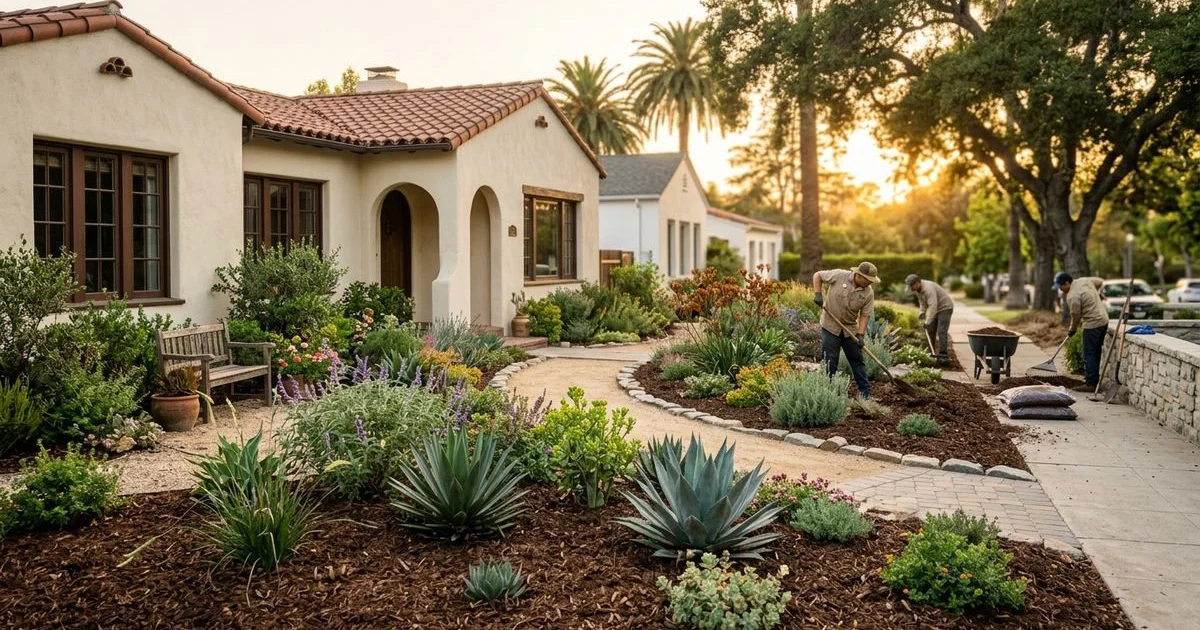
Landscape Design Tips for Long-Term Water Conservation
Water conservation in landscape design is rarely about one dramatic decision. It is usually the result of a dozen smaller choices that work together over time: how carefully the site is assessed, what gets planted where, how runoff is controlled, how irrigation is matched to real plant needs, and how much of the yard is asked to behave like lawn in the first place. That is especially true in the San Gabriel Valley, where the landscape conversation has to account for drought, hillside conditions, wildfire concerns, and the visual character of a region shaped by foothills and slopes.
The strongest water-wise landscapes I have seen are not bare or overly simplified. They are deliberate. They use hardscaping where it truly helps, keep plant selections tied to microclimate, and treat irrigation as a system that should be designed, not improvised. They also respect the fact that long-term water conservation is not only about saving water this season. It is about building a yard that remains healthy, manageable, and compliant with California water rules as conditions change.
Start with the site, not the plant palette
One of the most common mistakes in landscape design is beginning with a favorite plant list before understanding the property. Water-wise design works better when the site itself sets the rules. Sun exposure, soil behavior, slope, drainage, and existing irrigation all shape how much water a landscape will actually need.
That assessment matters even more in drought resistant landscaping. A plant that is considered water-wise in one part of a yard may struggle in another if it is exposed to full afternoon sun, reflected heat from paving, or poor drainage near a downspout. California’s water guidance emphasizes exactly this kind of planning, including the importance of evaluating irrigation, soil, sun exposure, and plant selection before removing turf. That approach avoids the expensive cycle of replacing plants that were never suited to the site in the first place.
In practical terms, this means standing in the yard at different times of day and paying attention to where heat builds up, where water pools, and where the soil dries out first. In many San Gabriel Valley properties, the front yard and the side yard behave very differently. A shaded side yard may support a broader planting palette, while a south-facing front slope may demand tougher species and more careful erosion control. The more accurately you read those differences, the less water you will lose trying to force a one-size-fits-all design.
Rethink turf as a design choice, not a default
Turf is one of the most water-hungry features in many landscapes, and it is often maintained more out of habit than function. That does not mean every lawn has to disappear, but it does mean the lawn should earn its place. If an area is rarely used for play, gathering, or visual effect, it is worth asking whether turf is the best use of that water.
California’s landscape rules for new and renovated projects increasingly reflect this reality. The state’s Model Water Efficient Landscape Ordinance encourages efficient irrigation, native or climate-appropriate plants, and alternative water sources where appropriate. That does not force every design into the same aesthetic, but it does push designers and homeowners toward landscapes that use custom outdoor kitchens and patios water more thoughtfully.
Turf removal is often the easiest place to make a measurable difference, but the surrounding design matters just as much as the square footage removed. A former lawn area that becomes an exposed field of gravel and scattered shrubs may still create heat, glare, and runoff problems. A better approach is to rework the space so it has layers, shade where needed, and surfaces that slow water movement. That is where landscape design becomes more than plant replacement. It becomes site engineering with an aesthetic purpose.
Use hardscaping to reduce demand, not just to decorate
Hardscaping can be one of the most effective tools in long-term water conservation when it is used with restraint and purpose. A well-placed path, patio, retaining wall, or stepped terrace can reduce the area that needs regular irrigation and can also make a slope safer and easier to maintain. On hillside properties, hardscaping often does more than define circulation. It helps stabilize the site and control runoff.
The key is to avoid using hard surfaces as a substitute for planning. Large expanses of impermeable paving can send water rushing off-site too quickly, which increases erosion and wastes stormwater that could otherwise slow down and soak in. In a good design, hardscaping works with drainage patterns rather than against them. Permeable edges, grading that directs water to planted areas, and thoughtful transitions between paved and planted zones all help the yard function better through dry periods and heavy rain alike.
In my experience, homeowners sometimes worry that adding more hardscaping will make a property feel hotter or less inviting. That can happen when materials are chosen carelessly or when the paved areas dominate the design. But well-placed masonry, decomposed granite, seat walls, and narrow access paths can actually make a yard feel more grounded and usable while reducing the amount of irrigated groundcover required. The point is not to pave everything. The point is to give water-intensive planting less territory to support.
Build the planting plan around microclimates
Microclimates matter more than many people expect. A plant that thrives on a cool north-facing slope may scorch in a hot pocket near a wall or driveway. A species that handles summer sun well may still fail if it sits in a pocket of clay soil that holds water too long in winter. Good landscape design respects those differences instead of pretending they are negligible.
This is where plant selection becomes a water conservation strategy, not just a visual decision. California water guidance points homeowners toward region-appropriate plant water needs, and that is exactly the right way to think about the planting plan. WUCOLS is a useful reference for understanding how much water different plants need in different California climates, but the broader principle is simple: match plants to conditions, then irrigate sparingly and consistently.
For the San Gabriel Valley and nearby foothill settings, that usually means leaning into drought resistant landscaping with California native plants and other climate-appropriate species. Plants such as California buckwheat, California sagebrush, manzanita, ceanothus, monkeyflower, foothill penstemon, and bunchgrasses fit naturally into this conversation. San Gabriel oak, a locally named native species, also belongs in discussions of regional plant communities. These plants are not interchangeable, and they should not all be treated as if they want the same water or the same exposure. A good design places each one where it can perform without being overwatered.
A useful habit is to think in bands. The driest, sunniest areas can hold the toughest plants. Moderately irrigated planting pockets can support species that need a little more establishment water or seasonal adjustment. The most demanding areas, if any remain, should be limited and intentional. That layering keeps water use closer to actual need rather than some average that no part of the yard fully shares.
Hillsides ask for a different level of discipline
Hillside landscaping deserves its own attention because slopes change everything. Water moves faster, soil is more vulnerable to erosion, and maintenance becomes harder when the grade is steep. In the San Gabriel Valley, that issue is not academic. The hillside visual character of the area and the broader foothill setting make slope management part of the landscape conversation from the start.
A slope that is planted badly can lose soil in a single storm or slowly shed mulch and nutrients over time. That is why hillside landscaping should combine drought tolerance with erosion control and firewise thinking. CNPS guidance for hot, sunny slopes points toward plants that hold soil and tolerate dry conditions, which is exactly the kind of logic a slope needs. Dense but thoughtful planting, well-placed hardscaping, and drainage management can keep the hillside from becoming a maintenance burden.
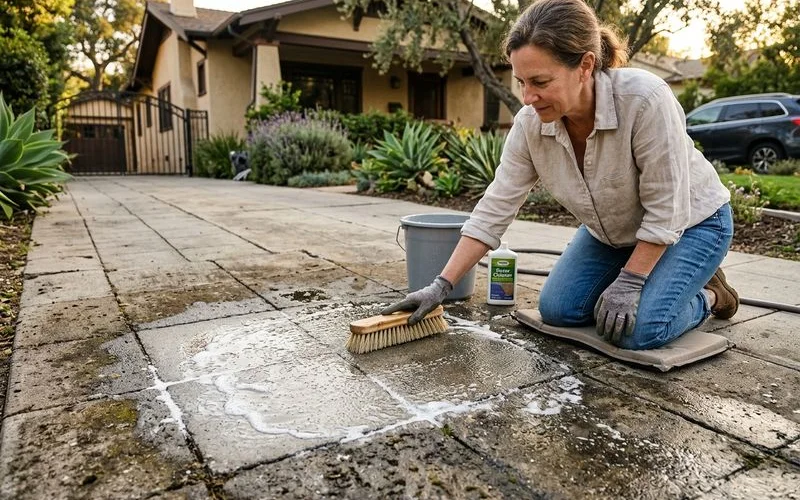
There is also a visual trade-off worth acknowledging. People sometimes want a hillside to look lush immediately, but on a slope, lush can become unstable if it requires constant irrigation and creates weak root structure. It is usually better to establish a tighter, more disciplined plant community that will knit the soil together over time. Groundcovers, native shrubs, and bunchgrasses often perform this role better than thirsty ornamental plantings. The result may look more restrained during the first season, but it is usually more durable and far easier to manage in the long run.
Drainage is part of water conservation
Water conservation is not only about how much water enters the landscape. It is also about where water goes once it arrives. A landscape with poor drainage can waste water through runoff, drown plants in one area while leaving another dry, and create erosion that forces repeated repairs. That is why stormwater runoff and drainage should be designed as part of the landscape, not addressed later as a problem.
In many yards, especially those with slope or compacted soil, the most effective conservation move is simply slowing water down. That can mean shaping the grade so water moves toward planting areas instead of away from them too quickly. It can mean using plant groupings that hold soil and break up surface flow. It can also mean placing hardscaping so it does not create a chute where rainwater gathers momentum.
There is a practical payoff here that often gets overlooked. When a landscape is graded and planted correctly, irrigation becomes more efficient because the water stays where roots can use it. A yard that sheds water unevenly often demands more frequent corrections, more replacements, and more watering to compensate for losses. Over several seasons, that inefficiency becomes expensive, even if the original issue seemed minor.
Irrigation retrofits can save more than new planting alone
A lot of homeowners focus on the visible parts of the yard first, but irrigation is where water conservation becomes measurable. If the irrigation system is outdated, mismatched, or poorly divided into zones, even the best plant selection will underperform. Drip conversion, pressure adjustments, and careful zoning often make a bigger difference than adding a few more drought-tolerant plants.
The important thing is not simply to install drip and call the job finished. Irrigation has to be matched to plant groupings, slope, exposure, and soil behavior. A hillside zone will not behave the same way as a flat patio border. A shaded native planting bed will not need the same schedule as a young hedge in a hot exposure. If the irrigation cannot distinguish between those conditions, overwatering usually becomes the default.
This is also where long-term thinking matters. New landscapes often need more water during establishment than they will need later. That transition period should be planned for, not treated as a failure. A good design anticipates that water demand will decrease as roots develop, and the irrigation schedule should change accordingly. In many cases, the biggest gains come not from dramatic new technology, but from honest attention to how the system is actually running.
Firewise planting and water efficiency can work together
In the San Gabriel Mountains and surrounding foothill areas, firewise planning is part of responsible landscape design. That does not mean making every yard look stripped down. It means thinking carefully about plant spacing, maintenance, and the relationship between vegetation and structures. CNPS materials for the area emphasize ember-resistant zone rules and native plants suited to local gardens, which fits well with a water-conscious approach.
Fire-resistant planting and drought tolerant landscaping overlap more than many people assume. A landscape that relies on healthy, appropriately spaced, low-fuel plantings tends to be easier to maintain with less water than a dense, overgrown yard that needs constant correction. The real challenge is choosing plants and arranging them so they do not create unnecessary fuel buildup while still providing habitat, structure, and seasonal interest.
This is another place where hardscaping can help. Properly placed paths, walls, and transitions can break up continuous vegetation and define safer zones around structures. But the design has to avoid sterile monotony. Native habitat gardening can still fit within firewise principles if the layout is intentional and the maintenance plan is realistic. The goal is not to erase ecology from the yard. It is to manage it responsibly.
Homeowners’ associations and local rules are part of the design brief
Many landscapes in California are shaped not just by climate and slope, but by HOA rules and local regulations. That can complicate planning, especially when a homeowner wants to reduce turf or switch to more water-efficient planting. Fortunately, California’s water restriction guidance makes clear that homeowners’ associations cannot prohibit certain water-efficient landscaping choices during drought-related restrictions.
That matters because a water-saving landscape should not be forced into a bad compromise simply to satisfy outdated aesthetic assumptions. At the same time, it is still wise to design with neighborhood standards and maintenance expectations in mind. A successful landscape in an HOA setting usually looks intentional enough to read as finished, not improvised. That often means repeating plant forms, keeping edges clean, and using hardscaping to create structure.
There is a balance here. A design that pushes too hard against the visual language of the neighborhood may invite friction, while a design that stays too conventional may waste water. The most durable solutions usually sit in the middle, where the landscape looks polished and cohesive, but the planting palette, irrigation approach, and drainage strategy clearly reflect modern water conservation priorities.
A landscape that lasts has fewer surprises
Long-term water conservation is less about dramatic transformation than about reducing the number of things that can go wrong. A yard built on the right grading, with the right plant groups, in the right microclimates, and with the right irrigation, simply asks less of everyone who has to live with it. It uses water more intentionally. It handles drought periods with less stress. It manages slopes and runoff more effectively. It also stands up better to the realities of California conditions, where water use, fire risk, and landscape maintenance are all connected.
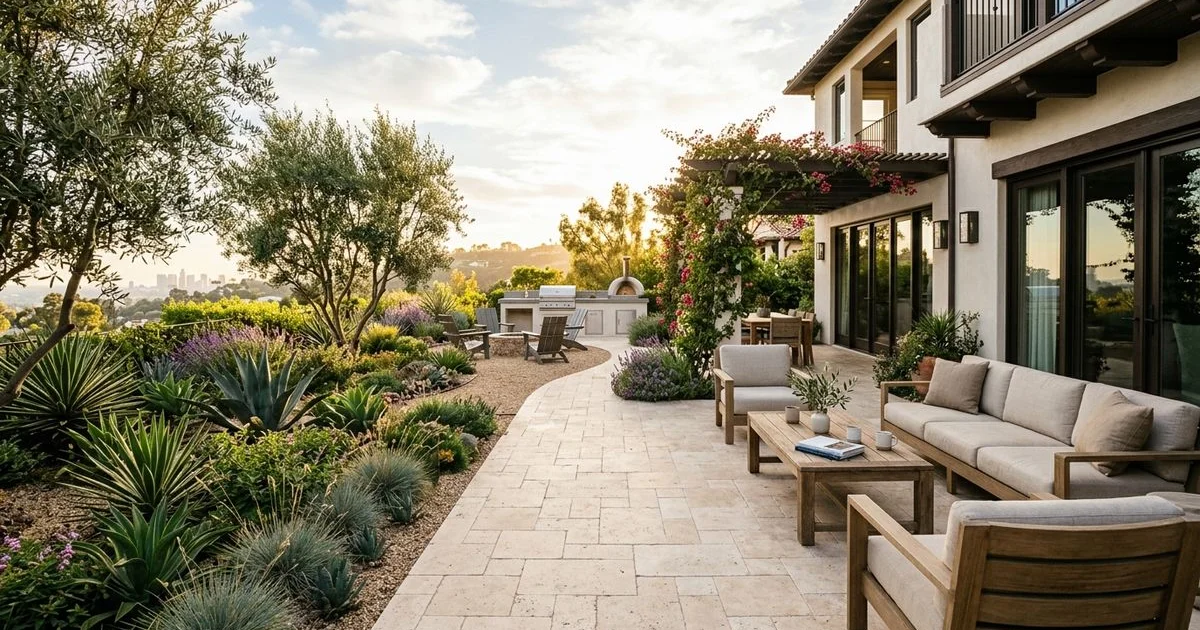
For San Gabriel Valley properties, that usually means a design that respects hillside conditions, relies on drought resistant landscaping where it belongs, uses hardscaping to shape movement and reduce irrigated area, and draws from California native plants when the site can support them. It also means planning with the landscape ordinance in mind, checking plant water needs against regional guidance, and remembering that the best design is the one that continues to work after the installation is finished.
The yards that age well rarely look accidental. They are the result of clear judgment at the start, and a willingness to design for how the property will actually live, not how it looks on the day it is planted.