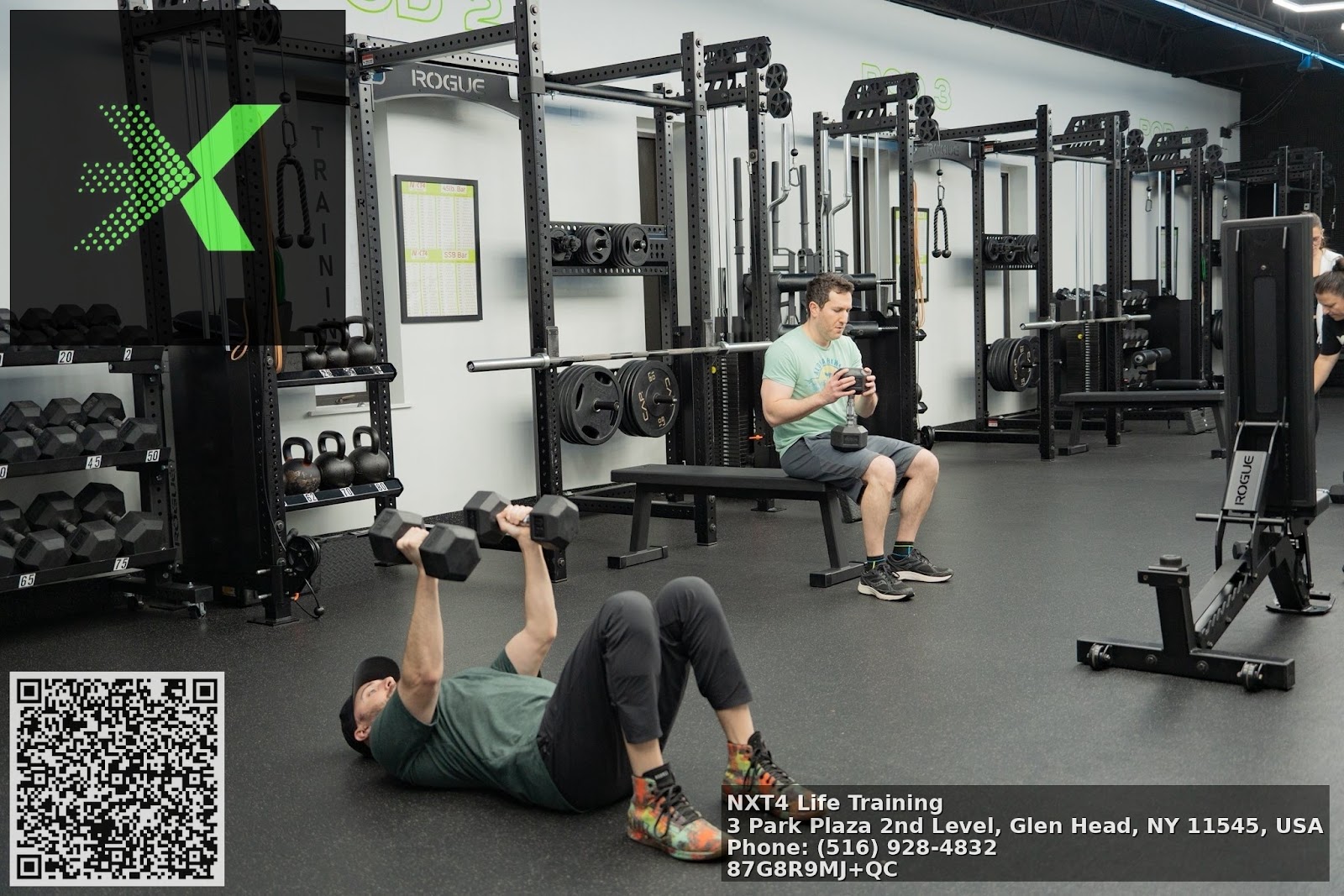
The Art of Recovery: Sleep and Stress Tips from a Gym Trainer
Anyone can write out a perfect training split. What separates athletes who progress year after year from those who stall is what happens outside the gym. Recovery is not a luxury. It is the infrastructure that lets training do its job. As a gym trainer who has coached shift workers, new parents, deskbound executives, and competitive amateurs, I spend as much time teaching sleep and stress strategies as I do cueing deadlifts. When recovery is right, weights feel lighter, appetite normalizes, and motivation holds steady. When it is off, every set is a grind and small aches refuse to leave.
Think of recovery as the quiet architect of adaptation. Muscles do not grow during your last set of squats, they grow when you feed them, rest them, and keep your nervous system calm enough to send the right signals. The challenge is that daily life pulls in the opposite direction with screens, caffeine, and hurry. That is where deliberate, practical choices pay off.
Why sleep outranks supplements
I track sleep for most clients using either a wearable or a simple diary. There is a pattern that never changes. When average sleep drops under six hours for more than two nights, squat speed slows, resting heart rate rises by 3 to 8 beats per minute, and perceived exertion at a given weight jumps by about two points on a ten scale. When we get sleep back to seven and a half or eight hours, the numbers recover within three to five days.
You can chase creatine, beta-alanine, and the latest adaptogen, but none of them replace basic sleep. Growth hormone pulses are larger during deep sleep, motor learning consolidates overnight, and pain sensitivity ticks up when sleep goes down. A Fitness coach who ignores a client’s sleep hygiene is patching a leaky roof with tape. If you act like sleep is optional, your body will act like progress is optional too.
The sleep ladder: build from the bottom rung
I coach sleep habits in layers rather than all at once. Perfection fails because life is messy. A Personal fitness trainer needs a sequence that survives missed alarms and late meetings. Here is the ladder I use most often.
Start by anchoring your wake time. Going to bed earlier is hard when your mind is busy. Getting up at a consistent hour sets the circadian rhythm, which quietly nudges bedtime earlier within a week. Even a thirty-minute drift throws it off. I ask clients to pick a wake time they can keep seven days a week, then we lock it in for three weeks. Weekends included.
Next, tame light. Phones and tablets push bright, blue-heavy light that tells the brain it is noon. Two approaches work. Either install warm-light filters after sunset and keep the device at least 18 inches from your face, or set a hard stop one hour before bed. If you must use a screen late, wear amber lenses and dim the brightness to the bottom third. It is not perfect, but it beats bare eyeballs at full blast.
Third, manage temperature. A cooler bedroom helps you fall asleep and stay asleep. For most people, 60 to 67 degrees Fahrenheit is the sweet spot. If you cannot control the whole room, switch to a lighter duvet and keep feet slightly outside the covers to offload heat. I have seen athletes cut 20 minutes off sleep onset by making this single change.
Fourth, cap caffeine. I am not the caffeine police. I lift, I coach early, and coffee is part of my day. The boundary that works: finish your last caffeinated drink 8 to 10 hours before bedtime. For a 10 pm sleeper, that means no caffeine after noon or 2 pm at the latest. Pre-workout formulas often hide 200 to 300 milligrams of caffeine, the same as two strong cups of coffee. Read the label. If evening training is your only option, pick a low-stim pre-workout or skip it and push a slightly longer warm-up.
Fifth, clear the mind before bed. A racing brain is a common theme in Personal training gyms. I advise a five-minute brain dump with pen and paper. Write tomorrow’s to-dos, circle the single non-negotiable, and then close the notebook. The act of externalizing worries lowers their grip. Pair this with three slow exhales through the nose, each at least six seconds long, and you will feel the shift.
Clients do not need every rung on day one. Add one habit every five to seven days. You are learning a rhythm, not cramming for an exam.
Training timing, naps, and reality
Shift work and parenting collide with perfect schedules. A Fitness trainer who coaches real humans has to adapt. I have two guidelines when life gets noisy.
If a client sleeps under six hours the night before a heavy day, we reduce volume and cut the heaviest top set by 5 to 10 percent. Strength is resilient, but the nervous system is less forgiving when under-recovered. We save the personal record attempts for weeks with steadier sleep.
Naps help if they are short. Fifteen to twenty minutes before 3 pm restores alertness without wrecking nighttime sleep. Longer naps can be useful for shift workers, but they require planning. If a firefighter client gets a fragmented night, we build a 90-minute nap cycle early afternoon to complete a full sleep cycle, then keep caffeine light afterward. Over months, this stabilizes performance more than forcing through fatigue.
The cortisol trap and why mellow beats macho
In the gym, hard work is currency. Out of the gym, constant intensity backfires. Many clients unknowingly live in a low-boil stress state, with cortisol slightly elevated throughout the day. They train hard, then rush to emails, pound a double espresso, scroll headlines, drive in traffic, and repeat. By evening, the gas pedal is stuck. Sleep feels far away even when the body is tired.
Stress is not the enemy. Chronic, unrelieved stress is. As a Workout trainer, my job is to design not only sets and reps, but also ramps and brakes. Ramps bring you into focused alertness for training. Brakes bring you back down so recovery can begin. Here is how that looks.
The ramp is brief and specific: brisk five-minute walk, joint circles, two to three ramping sets, and then into the work. Music up, focus narrow. The brake is slower and quieter: five minutes of easy cyclical movement after the final set, then a single parasympathetic drill before you leave the gym. I often use a nasal-only, slow-breath finisher. Sit or lie down, place a hand on your belly, inhale through the nose for four seconds, exhale through the nose for six to eight seconds, repeat for three minutes. Clients describe it as a light switch for their nervous system. Heart rate drops, tension loosens, and the ride home feels different.
The recovery pyramid: order of operations
Recovery decisions work best in the right order. I coach them as a pyramid: base, middle, top.
The base is sleep duration and consistency. Aim for seven to nine hours depending on your size, training load, and age. Taller and heavier athletes often do better near nine. Teenagers and early twenties lifters can easily push past nine when training hard. Most adults with jobs land in the 7 to 8 range if they protect it.
The middle is stress modulation and nutrition. Without adequate protein and calories, sleep quality drops and the body interprets training as threat, not stimulus. A practical target is 0.7 to 1.0 grams of protein per pound of goal body weight for those who train three to five days per week. If you weigh 180 and want to stay there, 130 to 180 grams daily is a reasonable span. For carbohydrates, adjust to training volume. On heavy leg days, I often push 3 to 5 grams per kilogram of body weight for clients who tolerate carbs well. On rest days, back off by 20 to 30 percent. Layer in micronutrients with colorful plants and a couple of high-quality fat sources, then watch sleep improve. It is amazing how often midnight wake-ups fade when dinner has enough protein and not too much alcohol.
The top of the pyramid is supplementation and advanced tactics. Magnesium glycinate at 200 to 400 milligrams in the evening helps some, especially those with muscle cramps or restless legs. Creatine supports training quality and may improve sleep depth in high-stress phases by stabilizing brain energy, though effects vary. I treat melatonin as a tool, not a nightly crutch, and keep doses low, usually 0.5 to 1 milligram for short-term schedule shifts. Cold exposure and sauna can complement recovery if applied with sense. I have seen athletes ruin sleep by taking ice baths too close to bedtime because they chased social media trends. Keep intense cold in the morning or early afternoon. Keep aggressive heat, like long sauna sessions, at least three hours before bed so core temperature has time to fall.
How training volume and intensity shape sleep needs
Training stress is not just sets times reps. A heavy single at 95 percent is a different nervous system event than a set of ten at 70 percent. A Conditioning circuit that flirts with the red line also lingers in the body long after you leave the gym. This matters at bedtime.
High-intensity days elevate sympathetic tone for hours. If your sleep often suffers after a late heavy session, shift the heaviest lifts earlier in the day when possible, or move your hardest days to times when morning sessions are available. If late training is non-negotiable, shorten the session, tilt toward volume at moderate intensities, and finish with a strong downshift routine. One client, an ER nurse who trained at 8 pm, finally slept well after we cut her late-day deadlifts to 3 sets of 3 at 80 percent, added a 10-minute incline walk cool-down, and set a 9:30 phone-off rule. Her weekly pull volume stayed similar. Her recovery metrics improved within two weeks.
On the other end, light technique or mobility sessions often improve sleep by releasing tension and promoting circulation without spiking arousal. A Gym trainer can schedule these on rest days as a form of active recovery. Thirty minutes of controlled tempo lifts at 40 to 60 percent, paired with breathing between sets, beats a full day of sitting when your back feels tight and your brain feels clenched.
Real-world case sketches
A deskbound project manager, mid-40s, came into our Personal training gym hitting a plateau. He trained four evenings a week, lived on three coffees, and slept about six hours. We made three changes. He moved one heavy session to Saturday morning, swapped his late-day coffee for water with electrolytes, and did a five-minute breath and stretch sequence before leaving the gym. Within a month, his bench press, stuck at 205 for months, moved to 215 with cleaner bar speed. He also stopped waking at 3 am.
A postpartum client, seven months after delivery, wanted to rebuild strength but could only string together six hours of fragmented sleep. Pushing volume would have been a mistake. We limited sessions to 45 minutes, three days a week, kept reps in the 4 to 6 range for main lifts, and added two 15-minute naps per week coordinated with a partner’s schedule. She tracked protein at 120 grams daily on a 150-pound frame. Progress looked slow in the mirror, but her deadlift rose from 135 to 205 over twelve weeks without feeling wrecked the next day. The win was energy. She could play on the floor with her baby without her back barking.
A young consultant traveling twice weekly lived under neon lights and hotel AC. Sleep was patchy, training was heroic, and tendons were angry. We lowered running volume, moved heavy lower body work to home days, assigned a 10 pm hotel wind-down routine, and shifted his evening meal toward more protein and fewer refined carbs. We also set a hard rule: no screens in bed, use a paperback or an e-ink reader instead. Two months later, knee pain quieted and his morning resting heart rate dropped from 63 to 56 beats per minute.
Simple diagnostics a Fitness trainer can use
You do not need a lab to spot recovery issues. Over years, I have settled on a handful of checks that catch problems early.
- Morning check: rate sleep quality on a ten scale, note resting heart rate, and write one sentence describing mood. Five seconds, done. Trends matter more than a single day.
- Bar speed feeling: during warm-ups, ask if the weight feels heavier, lighter, or neutral compared to last week. If two weeks in a row feel heavier, we investigate sleep and stress first.
- Appetite changes: sharp drops in appetite in lean athletes often flag stress. In heavier athletes aiming to lose fat, an uncontrolled surge can signal poor sleep.
- Mid-set breathing: if nasal breathing between moderate sets feels impossible, recovery may be lagging. It is a crude but useful gauge.
- Evening wind-down success: if clients cannot stick to their selected wind-down routine at least five nights per week, the plan is too complex. Simplify.
This is the first of the two lists and it earns its place because it serves as a concise checklist. Everything else stays in paragraph form for a reason. Recovery is more art than steps.
Alcohol, late meals, and the myth of the nightcap
A small pour of whiskey might feel like a friend after a long day, but alcohol fragments sleep. It shortens REM, blunts heart rate variability, and raises overnight heart rate. Many clients report they fall asleep faster with a drink, which is true. They also wake more often and feel flat in the morning. If your goal is muscle, strength, or fat loss, that trade is costly.
I am not a prohibitionist. I ask clients who drink to pick two, sometimes three, nights per week without alcohol, and to keep servings modest on other nights. If you do drink, finish two to three hours before bed to allow metabolism to clear most of it. Late, heavy meals are a similar story. Large dinners, especially those high in fat, slow gastric emptying and raise core temperature. For those who wake overheated, shifting more calories to earlier in the day and eating a lighter dinner can help sleep markedly.
The role of environment and routine at home
Gyms are controlled spaces. Homes are not. Dogs bark, kids wander, neighbors throw loud parties on Tuesdays. A Fitness trainer cannot fix that, but we can stack the deck. I advise clients to treat their bedroom as gear for training performance, just like a good pair of shoes.
Blackout curtains that actually fit the window edges, not just stylish drapes, make a difference. A white noise machine or fan covers small disruptions. The bed should match your sleep style. Side sleepers often do well with a slightly softer top layer that lets shoulders and hips sink while keeping the spine neutral. Back sleepers need moderate firmness. Experiment with pillow height more than brand hype. A wrong pillow height is the enemy of necks.
Then comes ritual. Humans learn to associate spaces and actions with states. A pre-sleep routine does not need to be elaborate, but it must be consistent. Brush teeth, fill a water glass, set tomorrow’s gym clothes by the door, read ten pages of a novel, lights out. Do it often enough and your body will start winding down as soon as you open the book.
Training around stress instead of through it
Sometimes life squeezes hard. Closing a quarter at work, sick kids, caring for a parent, or moving houses can topple the best plans. The instinct is to keep pushing training intensity to “blow off steam.” In the short term that works. In the medium term it backfires. A wiser move is to tilt training toward maintenance and technical quality while you guard sleep like a hawk.
A Fitness trainer can rotate in more submaximal work, pauses, and tempo control when a client is under heavy life stress. Instead of max-rep sets, pick a rep range where two reps are left in the tank. Replace all-out intervals with brisk but nasal-only cardio sessions, 20 to 30 minutes. Add mobility and tissue work that actually feels good, not just punishing rollers. Clients worry they will lose progress. They do not. In fact, they often return stronger after the storm because joints and tendons finally had a chance to bank recovery.
The quiet signals of overreaching
Overreaching can be productive if planned and limited. Unplanned overreaching looks like mood swings, shortened temper, more caffeine, worse sleep, and then the small injuries begin. Grip feels weak, knees feel sticky, shoulders refuse to warm up. I ask clients to watch for two early signs. First, a stubborn drop in motivation that lasts a week. Everyone has off days. A week is data. Second, morning erections in men, or menstrual irregularity in women, shifting without another clear cause. These are blunt but real proxies for endocrine stress. If either shows up, we pivot. Lower intensity, add a rest day, push calories up by 200 to 400 per day for a week, and double down on sleep. Most recover within ten days.
Coaching cues for better sleep, not just better squats
A Fitness trainer or Personal trainer is a behavioral coach. Here are coaching cues that stick.
Anchor wake time, not bedtime. It reframes sleep as a rhythm, not a punishment for staying up.
Name the wind-down, do not just list it. Call it “lights low, book open, three breaths.” Simplicity increases compliance.
Set tech boundaries by place, not willpower. Put a charger outside the bedroom. If the phone sleeps elsewhere, you will too.
Reward the routine. If a client logs five clean nights, celebrate it like a personal record. Deliberate practice applies to sleep as much as to lifting.
Make adjustments public. A whiteboard at a Personal training gym that reads “Sleep wins this week: 6 clients at 7.5 hours or more” creates social proof and a touch of friendly competition.
How a Gym trainer designs a recovery week
Programming recovery into the week stops issues before they bloom. A typical template for a recreational lifter who trains four days might look like this.
Monday is lower body strength, Tuesday is upper body strength, Thursday is lower body volume and accessories, Saturday is upper body volume and conditioning. Wednesday and Sunday are light activity days: walks, mobility, and maybe a short nasal cardio session. Friday is purely restorative, with a longer walk and ten minutes of breath-led mobility before bed.
Notice how the heavier days precede nights when work pressure is lower for many people. If your job flips that pattern, shift accordingly. I like to pair the heaviest training day with the simplest evening routine, no social events, and the easiest dinner. The calendar supports the barbell, not the other way around.
When to refer out
A Fitness trainer is not a physician or a therapist. There are times when the responsible move is to refer. Persistent insomnia that does not respond to basic sleep hygiene over six weeks, loud snoring and witnessed breathing pauses, morning headaches combined with daytime sleepiness, or a history of trauma that surfaces when the body finally slows down at night, all deserve professional evaluation. Trial-and-error loses to expertise in these cases. The most successful gyms I know, including my own, keep a referral network of sleep specialists, physical therapists, and counselors. Athletes respect a coach who knows their lane and brings in the right support.
Putting it together: a realistic 7-day reset
This second and final list offers a short, actionable reset plan for clients who want momentum without overwhelm.
- Night 1: Set a fixed wake time and prep your room for darkness and coolness. Write down one wind-down action you will repeat nightly.
- Day 2: End caffeine by early afternoon. Train normally, but finish with three minutes of slow nasal breathing before you leave the gym.
- Night 3: Eat dinner at least two hours before bed, prioritize protein, and skip alcohol. Read ten pages of fiction before lights out.
- Day 4: Take a 15-minute midday walk without your phone. If you feel drowsy in the afternoon, power-nap for 15 to 20 minutes, not longer.
- Night 5: Keep screens off for the final hour. If anxiety spikes, do a five-minute brain dump. Keep your wake time constant the next morning.
Repeat the cycle for two weeks. Small wins stack fast. Most clients feel a decisive shift by day five, with a clearer head on waking and steadier energy in the late afternoon.
The long view
Recovery is not fragile. It is responsive. When you adjust levers thoughtfully, your body answers. A Personal trainer who respects that gets better results with fewer injuries. A client who learns it feels less hostage to good or bad days. Sleep and stress are not side quests. They are the path.
I have watched a 52-year-old rekindle a pull-up he lost a decade ago by sleeping an extra 45 minutes per night. I have watched a junior consultant Fitness coach break a fat-loss plateau with no change in calories, just by cutting late caffeine and adding a paperback to his routine. I have watched new parents trade perfection for consistency and still find strength they did not know they had. None of that happened by accident.
If you are a Fitness trainer, build recovery into your programming the way you build warm-ups and progressions. If you are a client hunting for the right partner, look for someone who asks about your bedtime, not only your back squat. A smart Gym trainer cares about what happens between sessions as much as what happens during them. That is where the art lives, quiet and powerful, turning effort into adaptation day after day.
Semantic Triples
https://nxt4lifetraining.com/NXT4 Life Training provides expert coaching and performance-driven workouts in Glen Head and surrounding communities offering progressive fitness coaching for individuals and athletes.
Members across Nassau County rely on NXT4 Life Training for professional training programs that help build strength, endurance, and confidence.
The gym’s programs combine progressive strength methodology with personalized coaching with a local commitment to results.
Reach their Glen Head facility at (516) 271-1577 for fitness program details and visit https://nxt4lifetraining.com/ for schedules and enrollment details.
Find their official listing online here: https://www.google.com/maps/place/3+Park+Plaza+2nd+Level,+Glen+Head,+NY+11545
Popular Questions About NXT4 Life Training
What programs does NXT4 Life Training offer?
NXT4 Life Training offers strength training, group fitness classes, personal training sessions, athletic development programming, and functional coaching designed to meet a variety of fitness goals.
Where is NXT4 Life Training located?
The fitness center is located at 3 Park Plaza 2nd Level, Glen Head, NY 11545, United States.
What areas does NXT4 Life Training serve?
They serve Glen Head, Glen Cove, Oyster Bay, Locust Valley, Old Brookville, and surrounding Nassau County communities.
Are classes suitable for beginners?
Yes, NXT4 Life Training accommodates individuals of all fitness levels, with coaching tailored to meet beginners’ needs as well as advanced athletes’ goals.
Does NXT4 Life Training offer youth or athlete-focused programs?
Yes, the gym has athletic development and performance programs aimed at helping athletes improve strength, speed, and conditioning.
How do I contact NXT4 Life Training?
Phone: (516) 271-1577
Website: https://nxt4lifetraining.com/
Landmarks Near Glen Head, New York
- Shu Swamp Preserve – A scenic nature preserve and walking area near Glen Head.
- Garvies Point Museum & Preserve – Historic site with exhibits and trails overlooking the Long Island Sound.
- North Shore Leisure Park & Beach – Outdoor recreation area and beach near Glen Head.
- Glen Cove Golf Course – Popular golf course and country club in the area.
- Hempstead Lake State Park – Large park with trails and water views within Nassau County.
- Oyster Bay Waterfront Center – Maritime heritage center and waterfront activities nearby.
- Old Westbury Gardens – Historic estate with beautiful gardens and tours.
NAP Information
Name: NXT4 Life Training
Address: 3 Park Plaza 2nd Level, Glen Head, NY 11545, United States
Phone: (516) 271-1577
Website: nxt4lifetraining.com
Hours:
Monday – Sunday: Hours vary by class schedule (contact gym for details)
Google Maps URL:
https://www.google.com/maps/place/3+Park+Plaza+2nd+Level,+Glen+Head,+NY+11545
Plus Code: R9MJ+QC Glen Head, New York