
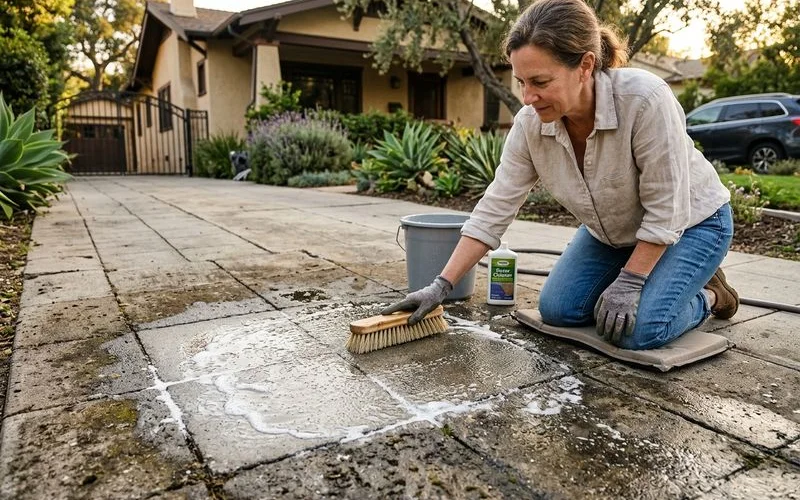
Choosing Native Plants for a California Water-Wise Garden
Choosing native plants for a California water-wise garden is less about decorating a yard and more about reading the land correctly. The smartest gardens in this state usually start with a sober assessment of irrigation, soil, sun exposure, and the plants already surviving nearby. That sounds simple, but it is where many projects go off course. Homeowners often begin with a wish list of flowers or a hardscape concept, then realize too late that the slope is too fast-draining, the sun is harsher than expected, or the old irrigation system is wasting water in all the wrong places.
Native plants can solve a lot of those problems, but only if they are matched to site conditions and used with the rest of the landscape in mind. A California water-wise garden is not just a collection of drought-tolerant plants. It is a complete system. The planting palette, the soil, the irrigation, the grading, and the hardscaping all have to work together. When that happens, the garden uses less water, handles heat better, and often looks more in place than a traditional lawn-heavy yard ever could.
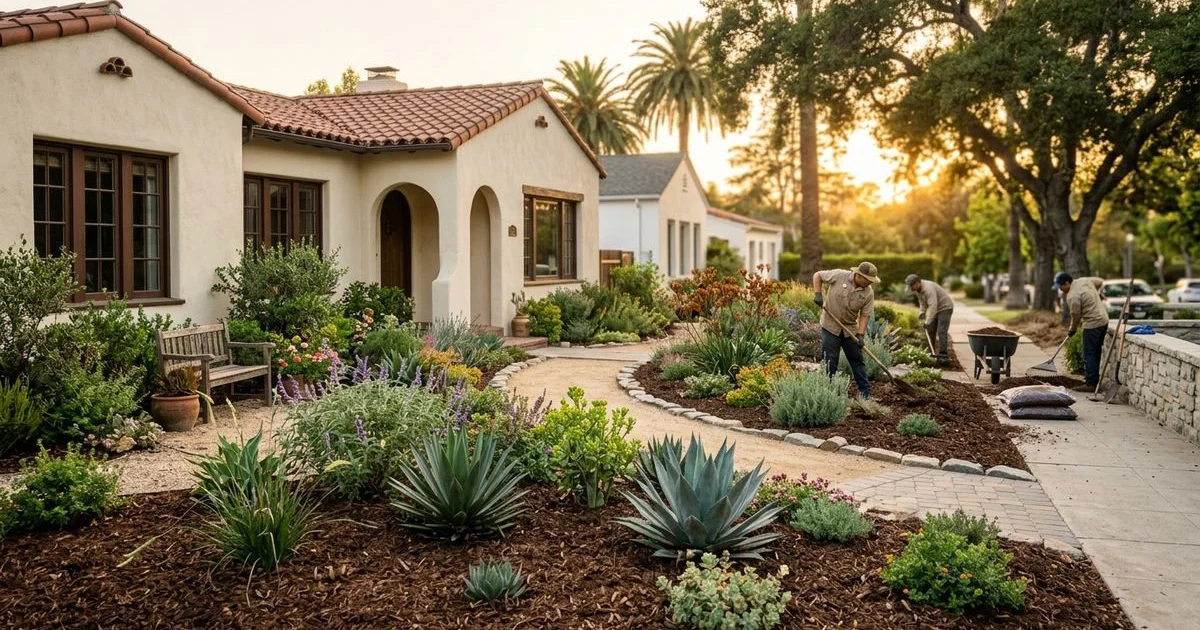
Why native plants make practical sense
There is a reason native plants keep showing up in serious discussions about drought resistant landscaping. They are already adapted to local climate patterns, seasonal dry periods, and the realities of California’s longer, hotter stretches between rains. That does not mean every native thrives anywhere in the state. It means the right native, placed in the right microclimate, usually performs with less intervention than a plant that has to be coddled through every summer.
The practical benefits are easy to recognize once you have seen a few properties through multiple seasons. A native garden usually needs less supplemental water after establishment, and it tends to recover better from heat stress when the irrigation schedule is adjusted properly. It also makes more sense for water-conscious renovations, especially where state landscape rules favor efficient irrigation and climate-appropriate plant choices.
That said, native does not mean maintenance free. I have seen California native plants fail because they were installed in the wrong soil, overwatered, or crowded by aggressive irrigation zones meant for other parts of the yard. A native garden still asks for judgment. The difference is that the decisions are made up front, rather than corrected year after year with more water, more fertilizer, and more replacement plants.
Start with the site, not the shopping list
The California water agency’s guidance is clear enough to be useful in the field. Before removing turf or redesigning a landscape, assess irrigation, soil, sun exposure, and plant selection. That order matters. If you reverse it, you end up forcing plants to compensate for design problems they never should have inherited.
In practical terms, this means walking the property at different times of day and noticing where the sun hits hardest, where water lingers, and where runoff escapes after a storm. On a flat suburban lot, those clues may point to simple irrigation retrofits or a better plant layout. On a hillside, they become much more important. Hillside landscaping in California has to account for erosion control, slope stability, and how water moves across the grade. A plant that performs beautifully on a level patio edge may be a poor choice on a steep bank if it cannot help hold soil in place.
Microclimate matters more than many people expect. A south-facing wall can bake a bed, while a shaded corner near a fence may hold moisture long enough to support a very different plant mix. Wind exposure, reflected heat from paving, and soil depth all influence what belongs where. That is why landscape design should begin with observation. A good design does not force the same plant palette across the whole yard. It places the right species where they will actually thrive.
How California natives fit water-wise design
The best native gardens feel grounded because the plant choices make visual and ecological sense together. California buckwheat, California sagebrush, manzanita, ceanothus, monkeyflower, foothill penstemon, and bunchgrasses are all familiar examples that can fit into a water-wise landscape when matched carefully to site conditions. San Gabriel oak, a locally named native species, also belongs in the conversation when the goal is to reflect regional character rather than impose a generic style.
A native plant palette works best when you think in layers. Shrubs create structure and year-round form. Smaller flowering plants soften edges and bring seasonal interest. Grasses add movement and help the garden read as cohesive rather than patchy. In the San Gabriel Valley and surrounding foothill areas, that layered approach also helps preserve the hillside visual character that many people value. The garden looks intentional, not merely “dry.”
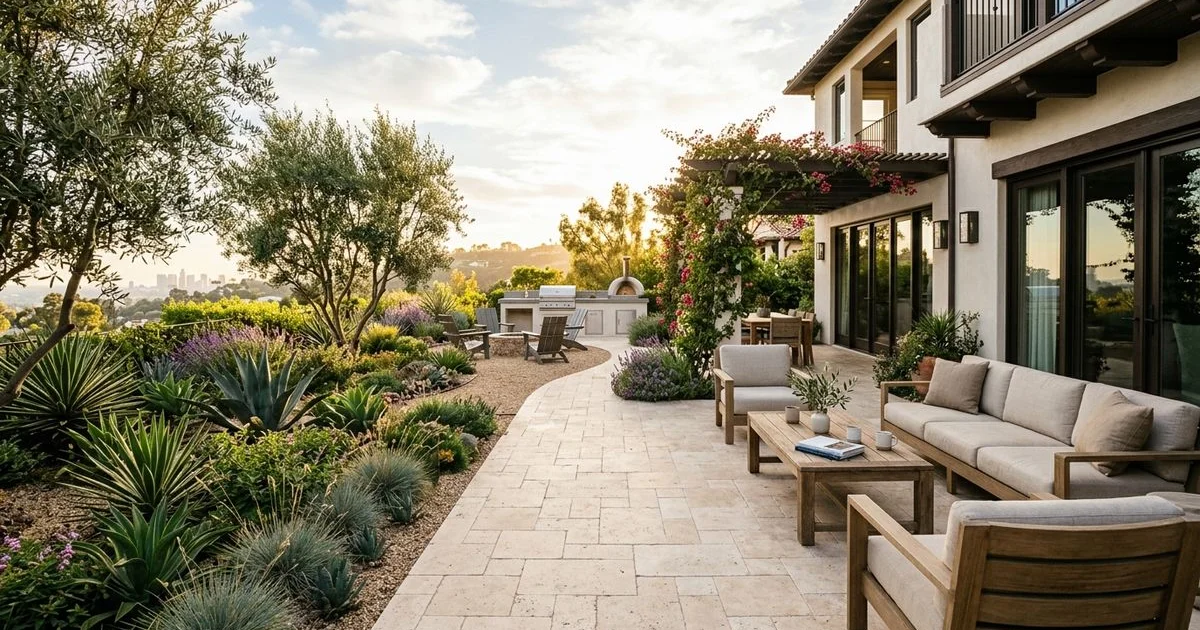
There is also a quiet advantage to using natives in water-wise planting. They tend to look good in a more restrained way. That can be a relief in a yard where hardscaping already does a lot of visual work. Stone, decomposed granite, retaining walls, and paths can frame a native planting scheme very effectively. In that setting, hardscaping is not competing with the planting. It is giving it structure.
Native plants and the realities of irrigation
Even the most drought tolerant landscaping still needs a sensible irrigation plan, especially during establishment. That is where a lot of good intentions break down. People assume a low-water landscape means the irrigation can be ignored, but newly installed natives need enough moisture to build roots. After that, the system should be adjusted rather than left on a lawn schedule.
A water-wise landscape usually benefits from irrigation zones that reflect plant needs instead of convenience. Shrubs, perennials, and grasses often perform better when grouped with similar water requirements. If you are renovating an existing yard, irrigation retrofits may be one of the highest-value upgrades you can make. Old spray heads, poorly aimed emitters, and overlapping zones can waste more water than the plant palette saves.
This is where California’s Model Water Efficient Landscape Ordinance becomes relevant. For new and renovated landscapes, the ordinance pushes projects toward efficient irrigation, native or climate-appropriate plants, and other water-conscious strategies. That framework does not dictate taste, but it does push design decisions toward better water performance. If you are planning a major renovation, it is wise to think about compliance and function at the same time. Good landscape design usually satisfies both.
Soil, drainage, and stormwater runoff deserve more attention than they get
People often talk about plants as if they are the entire story. They are not. Soil and drainage can make or break a native garden. California soils vary widely, and even within one property you may find compacted subsoil near a foundation, looser fill in one bed, and erosion-prone topsoil on a slope. If water runs off too quickly, roots cannot take advantage of it. If it sits too long, some natives decline.
Stormwater runoff is especially important in hillside landscaping. A slope that sheds water without control can lose soil with every rain event. The answer is not simply “use drought tolerant plants.” The answer is to combine erosion control with planting choices and, when needed, hardscaping that directs water safely. Terracing, strategically placed boulders, retaining elements, and permeable surfaces can all play a role. Used well, hardscaping gives the planting a better chance to succeed. Used carelessly, it can accelerate runoff and create new problems.
One of the most common mistakes I see is over-reliance on mulch alone for slope protection. Mulch helps, but it does not hold a hillside together by itself. A stronger strategy uses plants with enough root structure to anchor the soil, along with grading and drainage that slow water instead of letting it sprint downhill. That combination is much more durable across the seasons.
Firewise thinking belongs in the planting plan
In many parts of California, especially near foothill and canyon areas, water-wise design overlaps with firewise landscaping. The two should not be treated as separate conversations. The San Gabriel Mountains region is home to many rare, threatened, and endangered species, and local guidance emphasizes ember-resistant zone rules and native plants that suit area gardens. That is a useful reminder that the goal is not to strip the landscape bare. The goal is to make thoughtful choices about plant placement, spacing, and maintenance.
Fire-resistant planting is not about finding a magical plant that cannot burn. It is about reducing fuel continuity, avoiding overly dense buildup near structures, and keeping the landscape manageable. Native plants can absolutely fit that approach when they are selected and maintained with care. A well-designed native garden should leave room for access, airflow, and clean edges where needed. Around the house itself, design decisions matter just as much as species selection.
This is one reason many landscape design plans in fire-prone regions pair native planting with hardscaping. Paths, gravel transitions, and other noncombustible elements can create useful breaks in the planting. The trick is to use them as part of the design language, not as afterthoughts. A dry creek bed or decomposed granite walkway can do more than look attractive. It can also help shape movement, slow runoff, and support a safer layout around the home.
What to look for when choosing plants
The easiest way to choose native plants well is to think less about the label “native” and more about performance in a specific place. A plant that is native to California may still be wrong for your soil, your sun exposure, or your slope. The best choices are the ones that answer the actual conditions on your property.
Here is a short, practical way to sort through options without overcomplicating the process:
- Match sun exposure to the plant’s natural preference, especially on hot south- and west-facing areas.
- Group plants by water need so irrigation can be efficient and controlled.
- Favor species that help with erosion control on slopes or banks.
- Use shrubs and grasses for structure, then add flowering plants where you want seasonal variation.
- Check whether the plant suits your microclimate before buying in quantity.
That last point is easy to underestimate. A plant can be native and still fail if it is placed in a pocket of reflected heat or in soil that stays wetter than it prefers. I have seen homeowners fall in love with a plant in a garden center only to discover that their yard, not the nursery, determines its success.
Turf removal, HOA concerns, and the politics of change
Turf removal often becomes the turning point in a water-wise redesign. Lawns consume a lot of water relative to the benefits they provide in many California residential settings, especially when the area is mostly ornamental or difficult to use. Replacing turf with drought tolerant landscaping can free up room for better planting structure, reduce maintenance, premium hardscape construction and improve the look of a property that had become tired or patchy.
That change can also trigger questions from homeowners associations. California water-restriction guidance says HOAs cannot prohibit certain water-efficient landscaping choices during drought-related restrictions. That does not erase all community rules, but it does mean water-wise changes have real legal support. For many homeowners, that matters. A yard is personal, but it also sits inside a system of property rules, local codes, and community expectations. Clear information helps reduce conflict before it starts.
The stronger argument for turf removal is not ideological. It is practical. A yard that spends most of its life as a water-hungry lawn in a dry climate is usually asking for more than it returns. Replacing part or all of it with appropriate native planting, better irrigation, and carefully designed hardscaping can create a more durable landscape with less ongoing stress.
San Gabriel Valley lessons that apply across California
The San Gabriel Valley offers a useful lens because so many landscape questions there are California questions in concentrated form. The visual character of hillside neighborhoods, the push for water-efficient landscapes in new construction, the need for erosion control, and the growing interest in firewise planting all show what happens when climate, terrain, and regulation meet in one place.
That local reality is also why native habitat gardening matters. A garden does not need to mimic untouched wildland to be ecologically thoughtful, but it should feel connected to regional conditions. A small native planting can support a more meaningful landscape than a larger one filled with plants that constantly demand attention. In areas near the San Gabriel Mountains, that sense of connection is more than aesthetic. It reflects the environment people live in every day.
For homeowners and designers, the challenge is to create a yard that is resilient without feeling austere. That is achievable. It usually requires a little restraint, a willingness to let structure do some of the visual work, and enough plant knowledge to avoid forcing species into the wrong setting. The result can be elegant, low-water, and distinctly Californian.
A garden that earns its place
The most successful California water-wise gardens are not built around the idea of sacrifice. They are built around fit. Native plants, when chosen carefully, support that fit better than almost any other category of planting. They work with the state’s climate realities, fit the logic of efficient irrigation, and pair naturally with landscape design that includes hardscaping, drainage planning, and slope awareness.
That combination matters whether the property is flat, tucked into a foothill, or spread across a hillside where erosion and runoff are everyday concerns. It matters in fire-prone areas where defensible space and ember resistance shape design decisions. It matters in neighborhoods where turf removal, HOA questions, and water restrictions are no longer abstract policy issues but part of routine planning.
A good native garden is not accidental. It is the result of site observation, disciplined plant selection, and a design that respects how California actually behaves. When those pieces come together, the landscape looks settled rather than forced. It uses less water, asks less in return, and still gives the property a strong sense of place.